
Amir isn't being difficult. He's overwhelmed, and the usual response, a louder warning, a stricter consequence, only makes it worse. This piece shows why the ADHD strategies most Malaysian teachers were taught (built for hyperactive seven-year-olds) fall apart with a masking, shut-down teenager in a room of thirty. No new framework to learn, no extra hours you don't have. Just small, practical swaps: a quiet cue instead of a public call-out, one task broken into one step, three simple things to watch for before a student hits crisis. Change one habit, not your whole classroom.
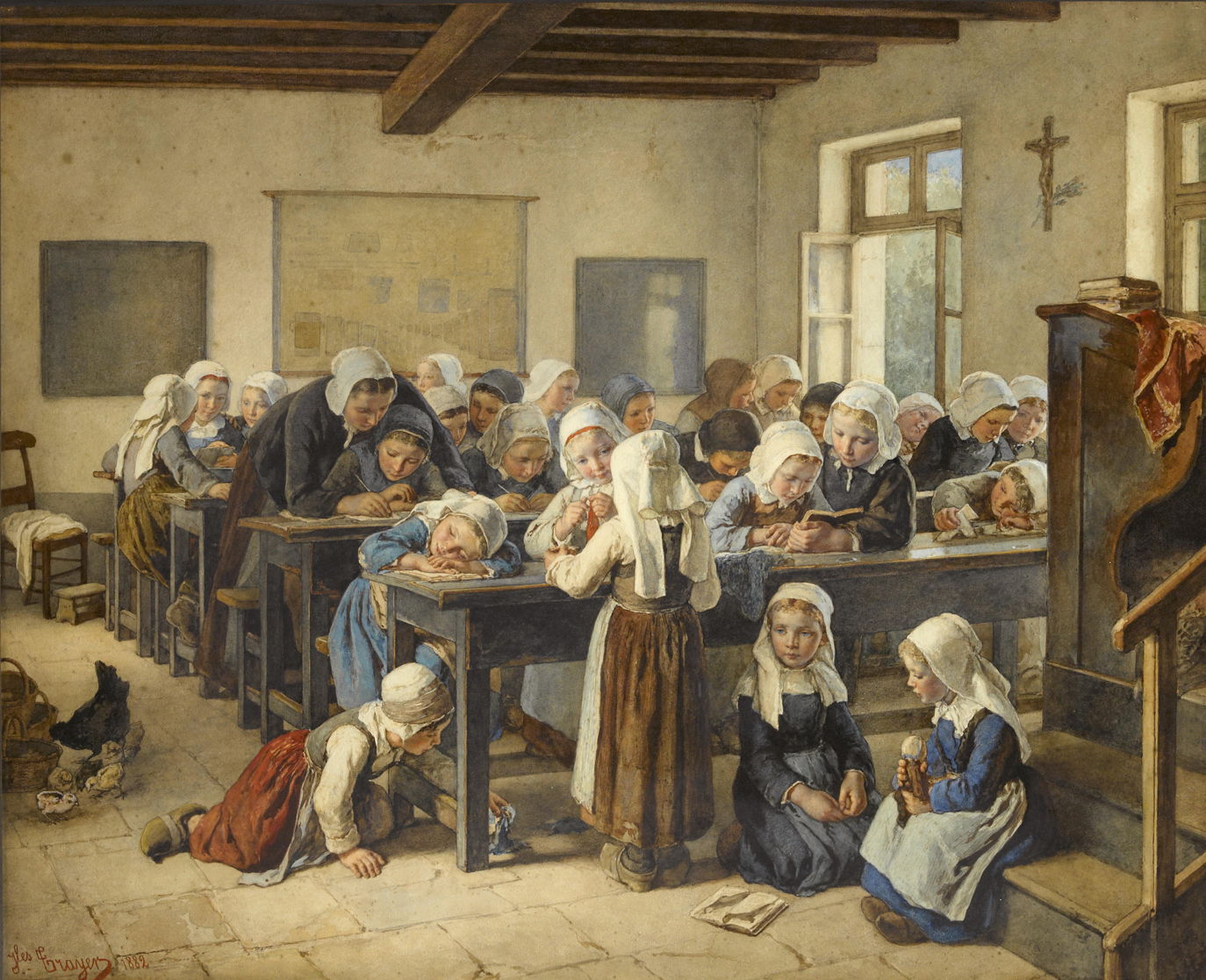
TLDR: Gen Alpha students have an 8 to 12 second attention filter, not an attention problem. Your classroom layout is fighting their neurology instead of working with it. Research shows you can redesign your classroom for under RM500, using a golf umbrella, some snake plants, and a furniture rearrangement that takes one afternoon. The line between an overstimulating classroom and an engaging one is thinner, and cheaper, than most teachers think.

TLDR: Most teachers try AI, hit a rough patch where it feels slower than just doing it themselves, and quietly give up.TLDR: Most teachers try AI, hit a rough patch where it feels slower than just doing it themselves, and quietly give up. Research calls this the hidden labor phase, and it is completely normal. The teachers who make it through are not more talented, they just had someone in their corner during the dip, a peer, a group chat, a prompt shared at the right moment. The fix is not a better workshop. It is what happens in the weeks after.

TLDR; Most teachers have tried AI, got something generic, and quietly gone back to doing it themselves. The problem is not the tool, it is the prompting and depth of instruction. Structured frameworks turn the same ChatGPT that produces unusable generic outputs into something that cuts lesson prep time nearly in half. The next step is learning the framework and joining a peer community that keeps the habit alive after the workshop ends.